
VALUE — The Lightness or Darkness of a Color

Updated: Mar 5
Successful Artwork has a Full Range of Value
What is value?

Value is how light or dark something is.Artists use value to create form, depth, and realism in their drawings.
Why draw a value scale?
Creating a smooth value scale helps train your eye to see small changes between light and dark.
This exercise will help you:
see subtle value changes
create smoother shading
improve depth and form in your drawings
gain better control of your drawing tools
Learning to control value is one of the most important skills in drawing.
PART 1 – Value Scale
(Left vertical boxes)
Shade each box so the values change evenly from top to bottom.
Top box: white (leave it blank)
Bottom box: darkest black
All boxes in between should gradually and evenly get darker
👉 No outlines should be visible inside the boxes.
PART 2 – Continuous Value Bar
(Long rectangle at the bottom)
Create one smooth, continuous gradient from:
black → gray → white
There should be:
no stripes
no visible steps
no harsh lines
PART 3 – Shaded Spheres
(Three large circles on the left)
Shade each circle to look like a round form (a sphere).
Remember:
the lightest area is the highlight
the darkest area is the shadow
values should gradually change across the form
PART 4 – Shading to Remove the Outline
(Shapes on the right side)
Shade each shape so the outline disappears and the form is created using value only.
Focus on:
smooth transitions
consistent light source
clean, blended shading
👉 The goal is to make the shape readable without relying on the outline.
Materials
Pencil
Success Checklist
☐ Values change smoothly
☐ No visible banding or stripes
☐ No heavy outlines left inside shaded areas
☐ Full value range is used (light to dark)
☐ Shading follows the form of the shape


Artworks that exhibit a full range of value are generally successful. It doesn't matter the type of art you are creating. As long as there are dark values in harmony with light values, your artwork will most likely be aesthetically pleasing. A full range of value means that they are ample amounts of light values- called tints, and dark values- called shades. To be sure that you have a full range of value in your artwork you may create a value scale.
Using a value scale, you can be sure that you create a full range of value. Many artists use a value scale as they work, identifying specific values and adding them in appropriate spots.
Take this still life for example


If we were to take out all the color, we would still see the hula girl, rope and fabric and recognize it as these items. In other words, we are just showing the values of the image.
This illustrates how an artist would see the values and begin to draw with them.
Now that you have your shading and value down,
Set up a still life with shoes, kitchen utensils, your favorite things....I set one up in my classroom with random things I had laying around the classroom.

Turn off the class room lights and turn on the spot light to create dramatic lighting! You can move it around as you take your photos!

Snap about five to ten shots of the still life. Get close ups, it can be abstract, find an angle you love!!! Make sure you have good composition. Once you have taken your shots go into the editor and remove the color. Do any light adjustments at this time.
Here are some I took as examples for my students!

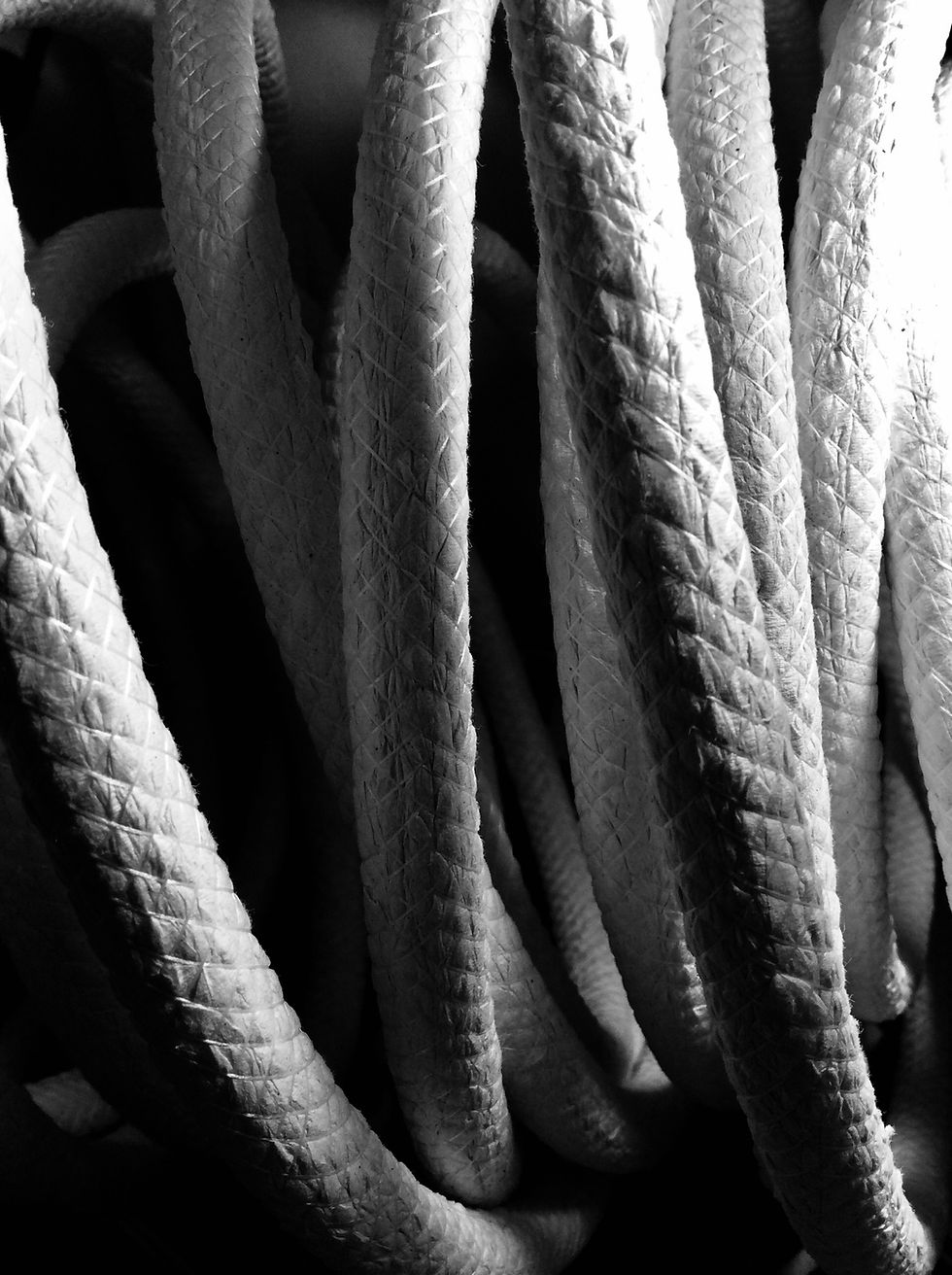

Now it's time to draw! You can free hand it by observation or take a photo and use the grid drawing method!


Comments